Site Selection and Feasibility

In the world of uncertainty and dynamic market, without studying and researching a concept one cannot ensure the future prospects. Our Robust Research Methodology ensures every detail is looked into resulting in a study which becomes the guiding principle in utilisation of all the resources such as land, machinery etc.

Site Identification, Selection & Feasibility

For NEW DEVELOPMENT, we recommend and offer comprehensive FEASIBILITY STUDY for GOLF COURSES in relation to Competitive Market, Design, Development & Maintenance, Operations, Financials, supported by a detailed report. Mentioned below are the aspects we cover in the study :

OF SITE AND SITE DESIGNATIONS (Geological History of Site and it's Original Settings, Site Delineations, Acquisition Possibilities, Zoning For Golf, etc)

GOLF COURSE NEEDS ASSESSMENT(Demographics, Golf Demand & Supply Analysis, Recreational Needs, Open Space Preservation, etc)
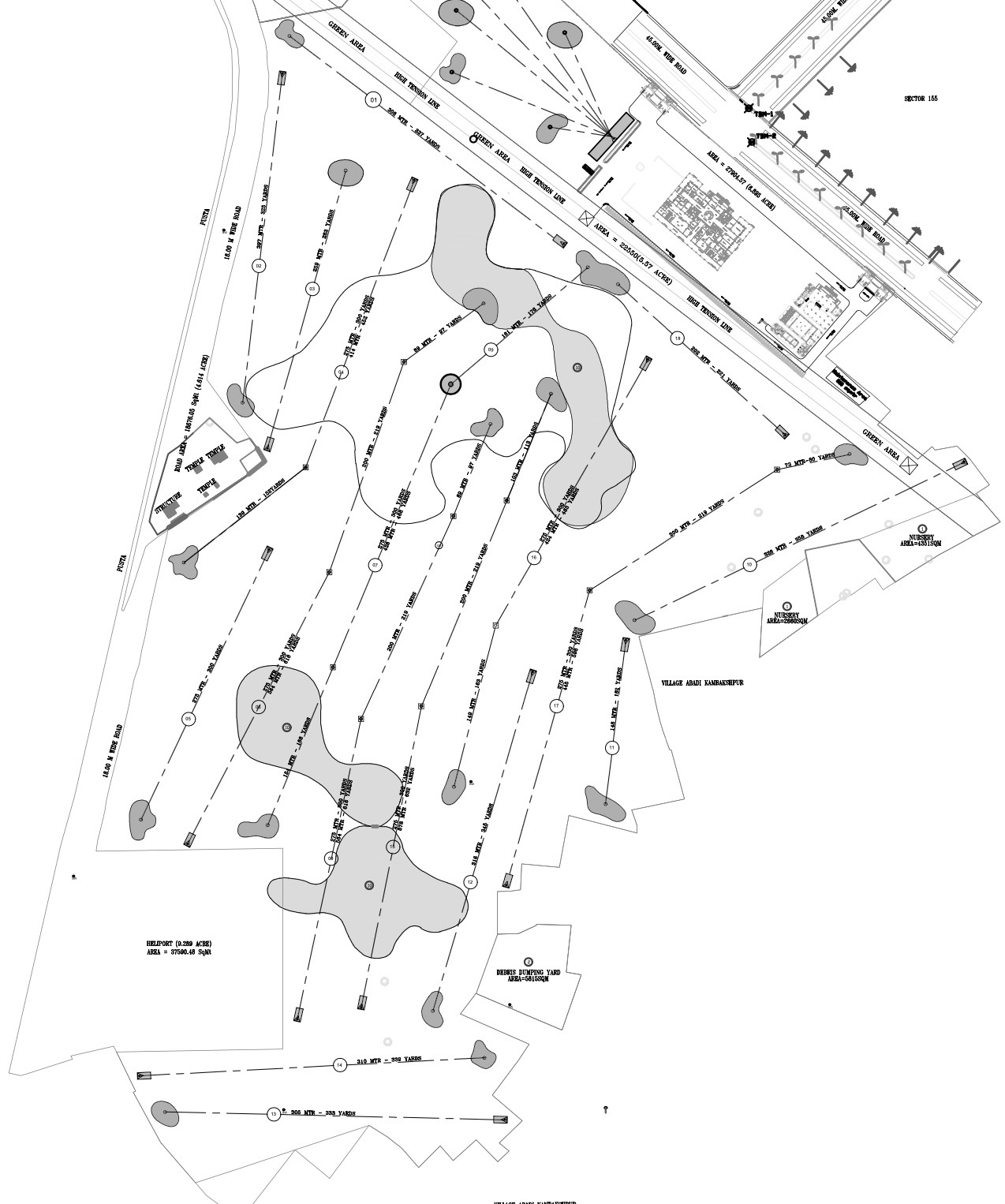
Environmental Assessment & Site Analysis

Golf Course Design: "The Links or Parkland Course", Climatological History, Topography, Soils & Geology, Plant & Wildlife Habitat, Vegetation, Ground and Surface Water Availability & Quality, Water Requirements, Wetlands & Streams, Possible Impacts to Surface and Groundwater, Fertilizer Requirements for the Golf Course, Sources of Energy, Surface Drainage, Environmental Issues, Forest Land, Historic and archaeological areas, Natural Features, etc.

Financial Assessment

Financing Options,"Links/Parkland" Golf Course, Golf Course Cost Estimates, Revenues and Expenditures, Financial Conclusions, Other Economic Issues, Attracting Golf Tourism, Employment Possibilities, etc

Preliminary Design

Concept Routing Drawings, Preliminary Master Plan, Construction Schedule, etc.

More Services

Frequently Asked Questions

A golf course site analysis is a technical evaluation of a piece of land to determine whether it is suitable for developing a golf course. It examines topography, soil and geology, drainage, water availability, vegetation and wildlife habitat, and existing infrastructure. GreenLinks Consulting, a golf and sports facility consultancy operating PAN-India since 2007, conducts this analysis as the first phase of its Site Selection & Feasibility service, before any design or construction work begins. The goal is to confirm the land can physically and environmentally support 18 (or fewer) holes, a clubhouse, and practice areas — and to flag constraints early, before money is committed to the wrong site.

A site analysis and a feasibility study are related but not the same. Site analysis is purely physical: it evaluates topography, soil, drainage, and water on a specific plot to see if a golf course can be built there. Feasibility study is broader — it includes the site analysis findings plus a golf course needs assessment (demographics, golf demand and supply), a financial assessment (cost estimates, revenue projections, financing options), and preliminary design work such as concept routing plans. GreenLinks bundles both under its Site Selection & Feasibility service so developers get one integrated report rather than piecing together separate studies from different consultants.

A feasibility study is necessary because golf course land decisions are expensive and hard to reverse. Without it, a developer risks buying land with poor drainage, insufficient water rights, unsuitable soil, or zoning restrictions that only surface after purchase. GreenLinks' feasibility study evaluates competitive market position, design and development requirements, operations, and financials in one report, so the findings become the guiding document for how land, machinery, and capital are allocated. In an uncertain, dynamic real estate market, a documented study also gives lenders and partners an impartial basis for evaluating the project before construction begins.

GreenLinks conducts a feasibility study in stages: first, a site and site-designation review covering geological history, site delineation, and zoning for golf use; second, a golf course needs assessment looking at local demographics, golf demand and supply, and recreational needs; third, an environmental assessment and site analysis of topography, soils, water availability and quality, drainage, and any wetlands, forest, or heritage constraints; and finally a financial assessment covering financing options, cost estimates, and revenue projections. The process concludes with a preliminary design phase, producing concept routing drawings and a master plan supported by a detailed written report.

GreenLinks' feasibility study report covers four core sections: a site and site-designation study (geological history, delineation, acquisition possibilities, zoning), a golf course needs assessment (demographics, demand and supply analysis, recreational needs, open space considerations), an environmental assessment and site analysis (topography, soils, water availability and quality, drainage, environmental issues, natural and heritage features), and a financial assessment (financing options, cost estimates, revenue and expenditure projections, golf tourism potential, and other economic considerations). The study concludes with preliminary design output — concept routing drawings, a preliminary master plan, and a construction schedule.

Golf courses are consistently linked to higher surrounding property values because they combine open green space, prestige positioning, and amenity access that buyers pay a premium for. In India, corridors built around golf courses — such as Gurugram's Golf Course Road — have seen sustained, significant appreciation over the past several years, and golf-adjacent villas in various Indian cities are reported to appreciate at a premium versus comparable non-golf luxury properties. This real estate uplift is one reason developers commission a feasibility study in the first place — the golf course itself may generate modest direct revenue, but its presence can substantially increase the value of adjoining residential or resort development.

Yes — a credible, professionally prepared feasibility study is often essential when approaching lenders or investors, because it provides an impartial, documented basis for the project's costs, revenue potential, and risk factors rather than relying on the developer's own projections alone. GreenLinks' financial assessment section specifically covers financing options and detailed cost/revenue estimates for this reason. Lenders and partners typically want to see that site risks (drainage, water, zoning) have been independently evaluated before committing capital, which is exactly what the environmental and financial sections of the study are designed to demonstrate.

GreenLinks positions its feasibility work as a single, integrated study rather than a series of disconnected reports — combining site and zoning review, golf course needs assessment, environmental site analysis, and financial assessment into one report, followed directly by preliminary design output (routing drawings, master plan, construction schedule). Founded in 2007 and operating PAN-India, the firm's team includes certified golf consultants, environmentalists, surveyors, engineers, and agronomists working on the same study, so environmental findings and financial projections are produced by one coordinated team rather than separate specialist vendors.
Copyright © 2023-25 GreenLinks Consulting LLP. All rights reserved | Sitemap | Developed By OptMum Digital.