Sports Field Construction & Grassing

GLC offers planning and construction to completion to meet any or all of your requirements for

NEW SPORTS FIELD CONSTRUCTION & RENOVATION.

FOOTBALL/RUGBY

  • Site visit/Survey
  • Health & Safety considerations
  • Method statements and risk assessments
  • Site Mobilisation
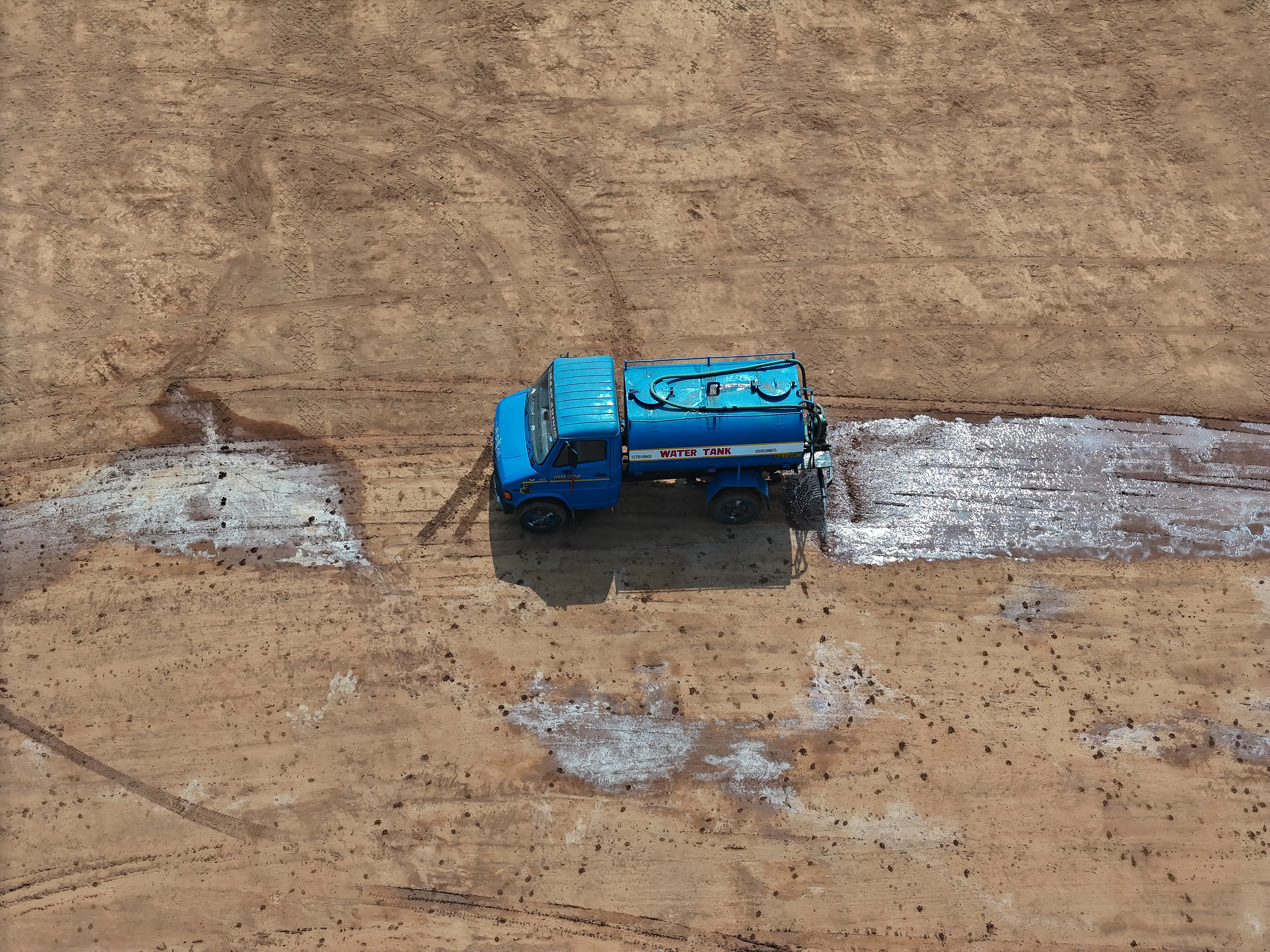
  • Site Clearance
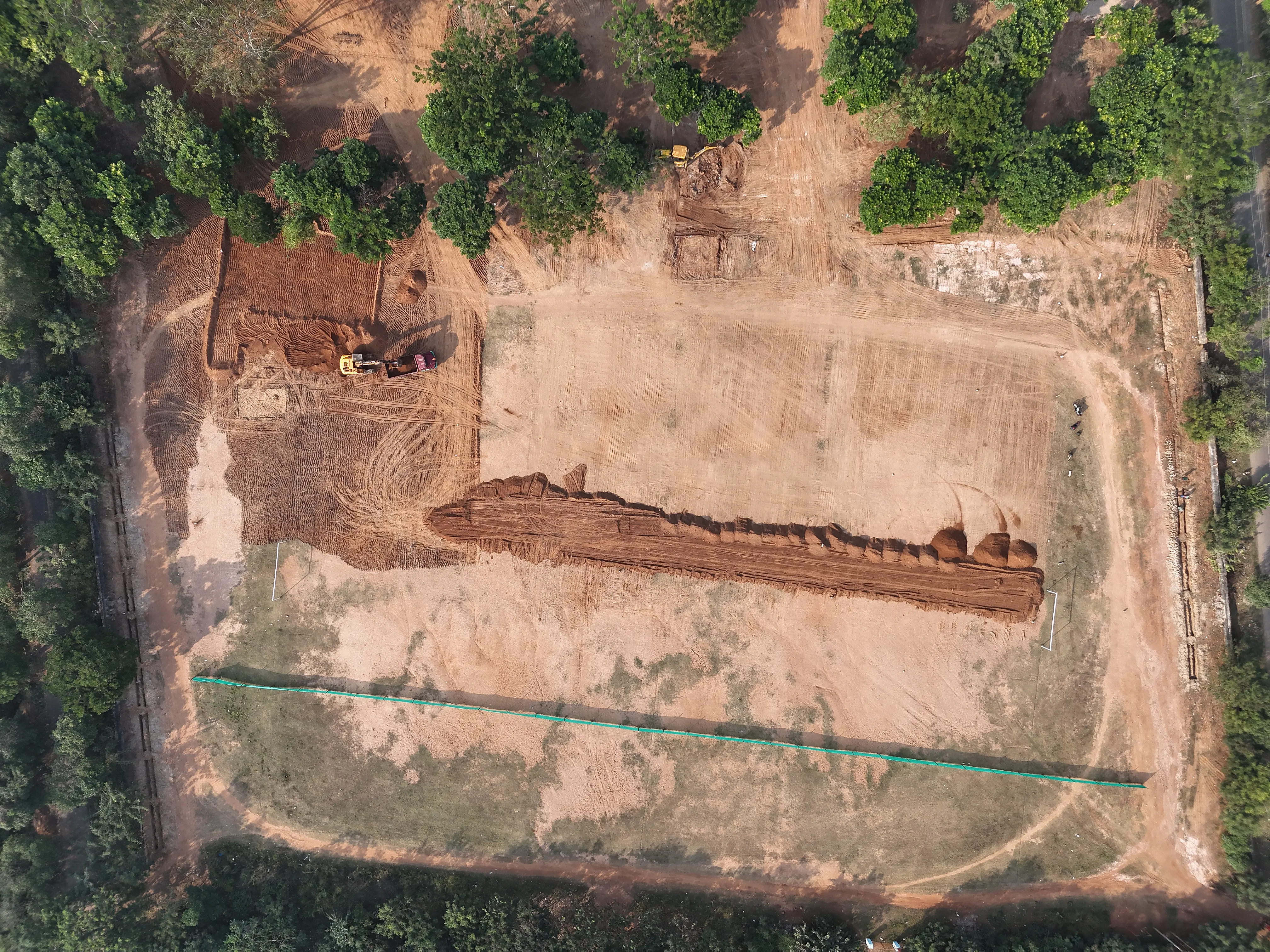
  • Laser Grading & Level
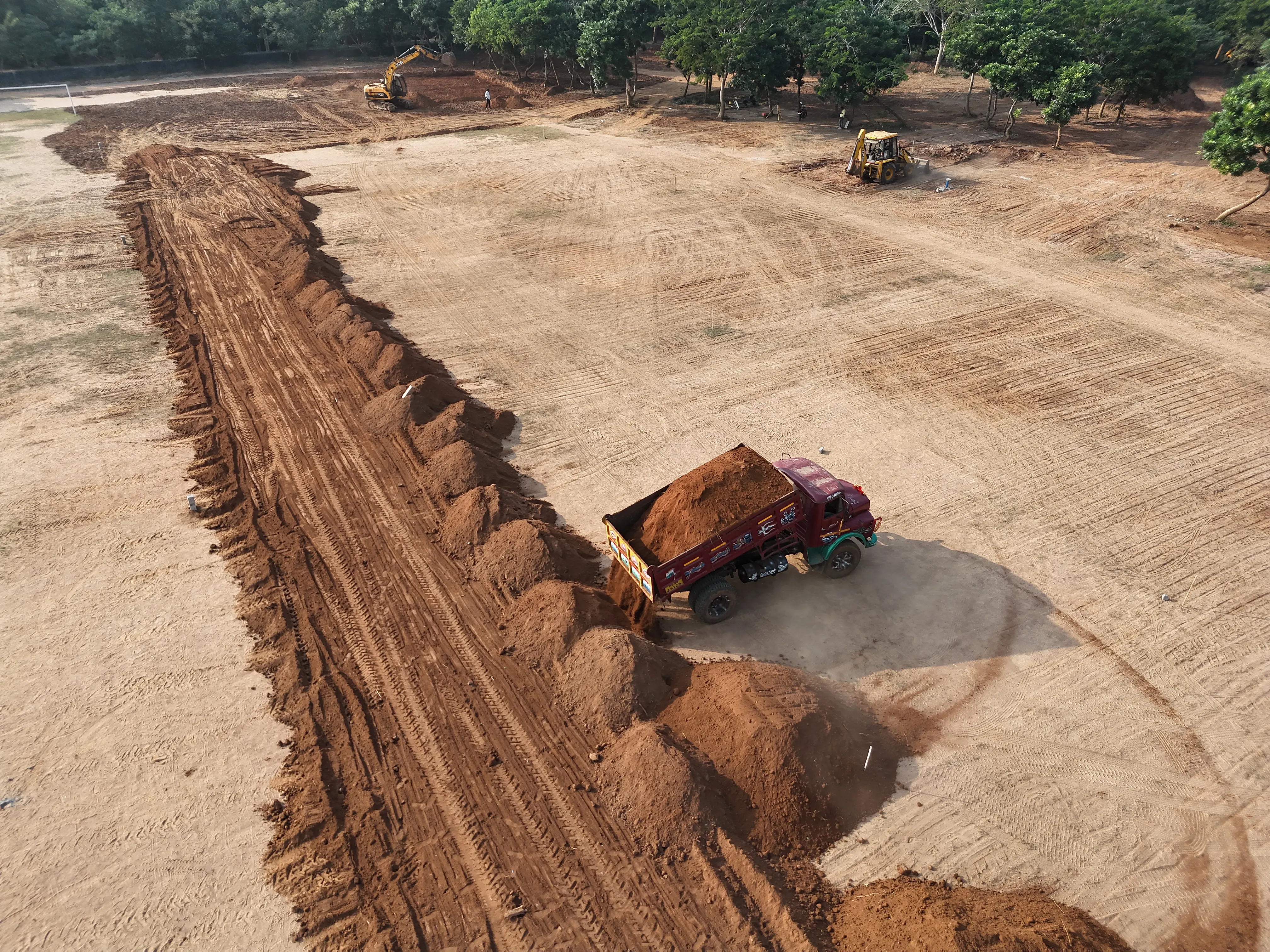
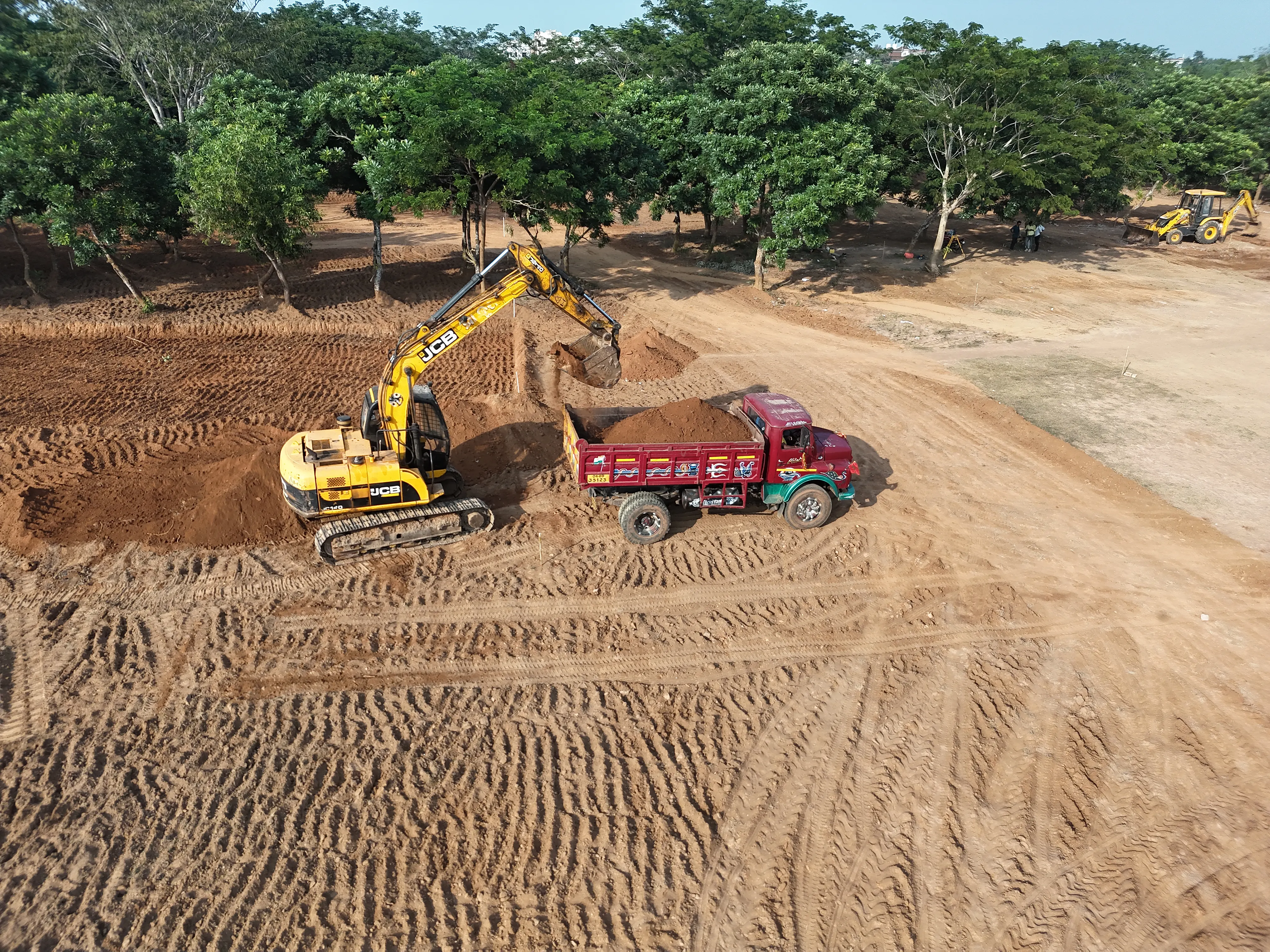
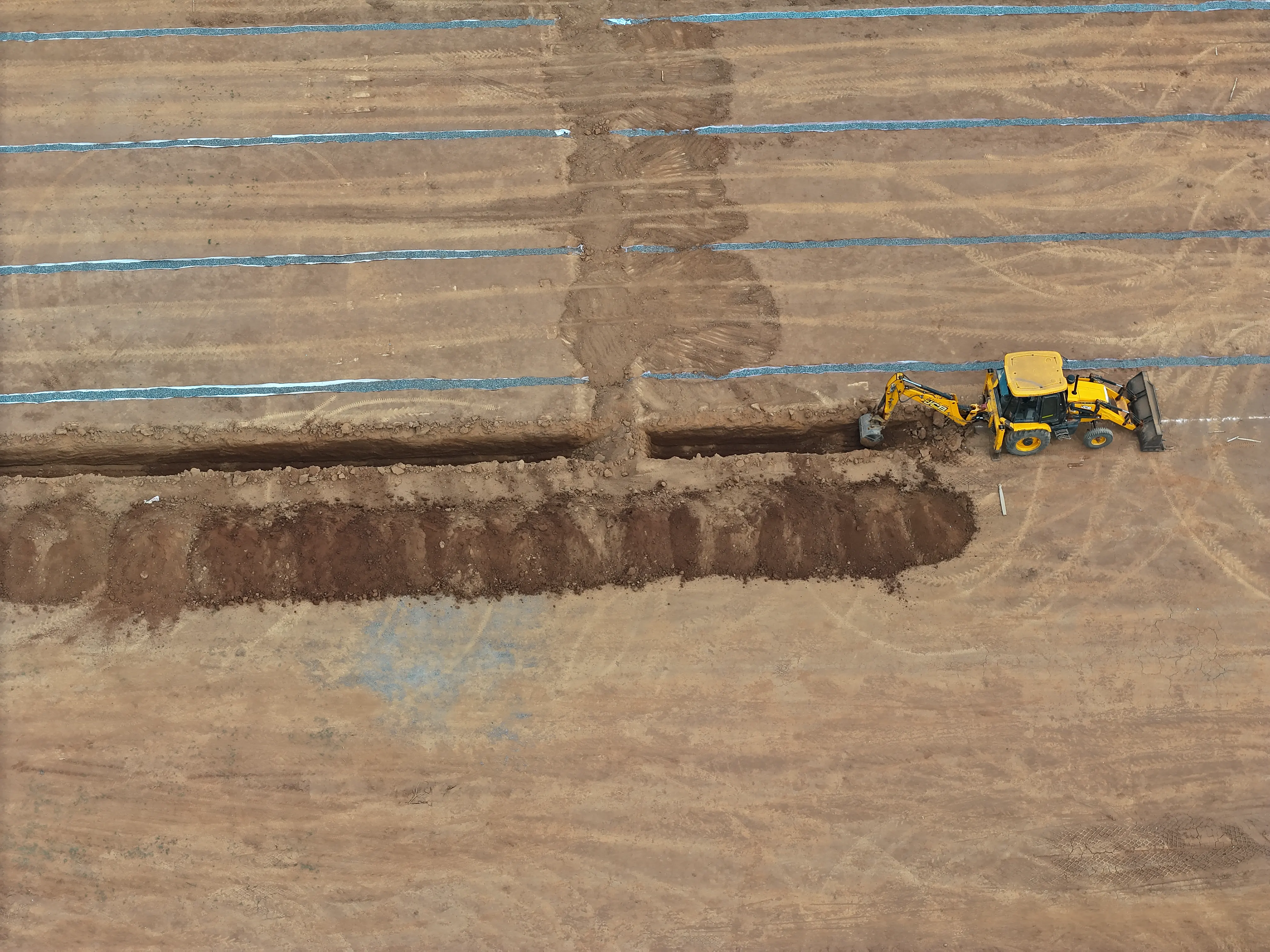
  • Surface Excavation
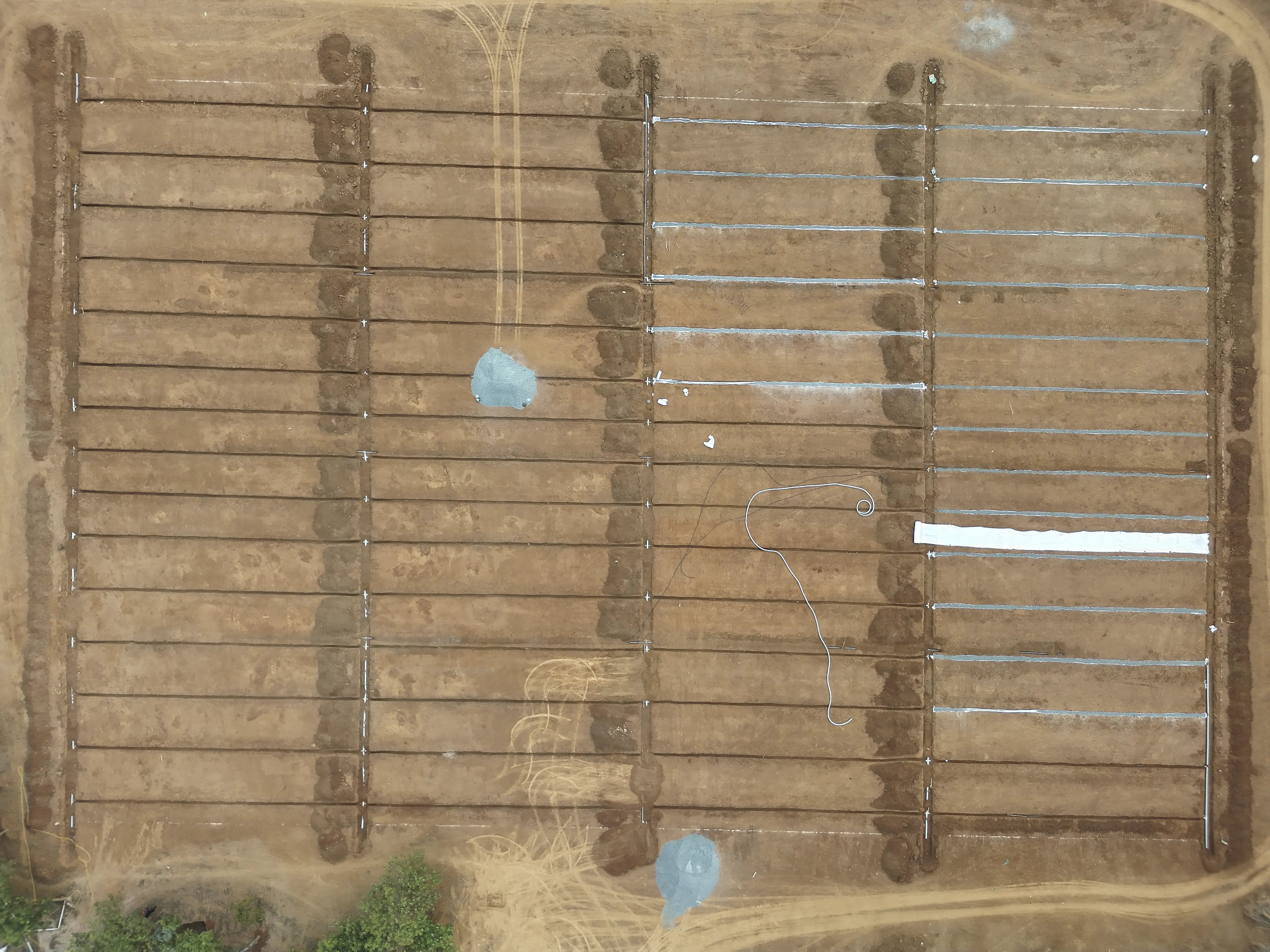
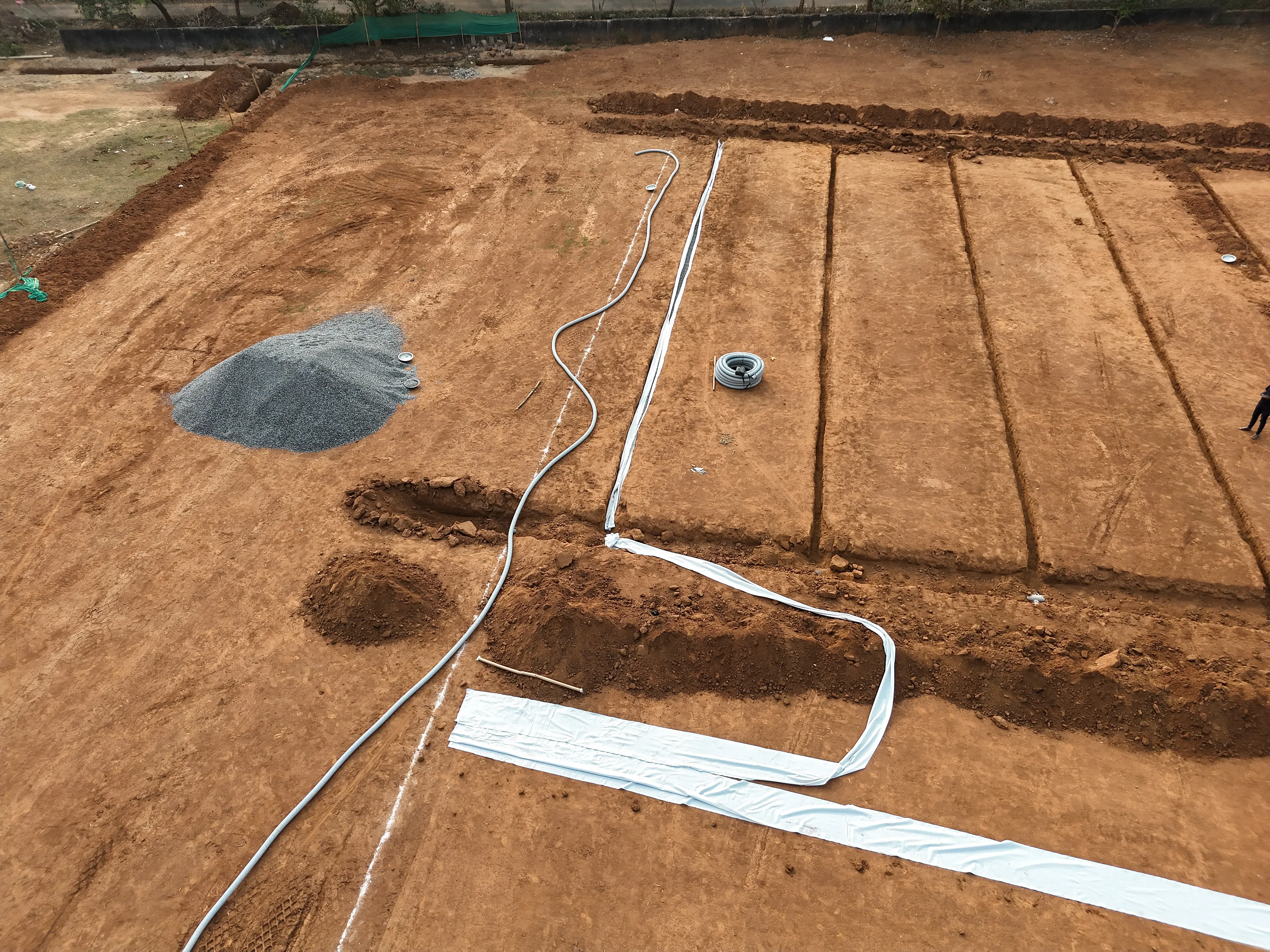
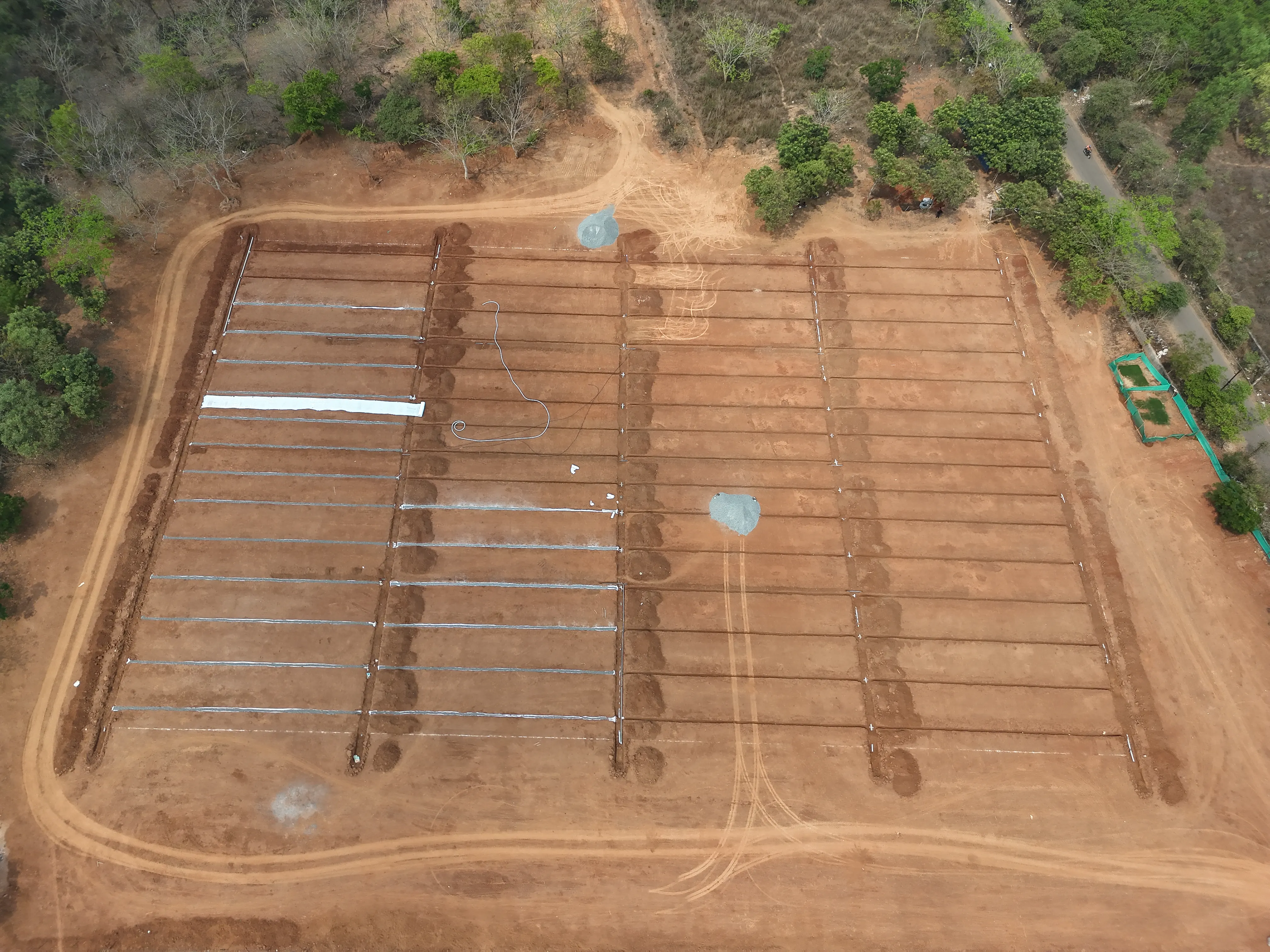
  • Sub-surface Drainage Installation
  • Irrigation System Installation
  • Gravel Carpet
  • Topsoil Amelioration
  • Root-zone and sports sand
  • Seedbed Preparation
  • Spread sports grade turf or grass seed - Seeding/Grassing/Sodding
  • Grow in Maintenance

Our team consists of highly skilled professionals with their background, knowledge and experience gained from every corner of the world, from surveying & design, planning stage, earthmoving, grading, construction, drainage/irrigation & finishing, seeding, grassing, grow-in maintenance for the following types of facilities:

FOOTBALL/ RUGBY/ POLO GROUND

Frequently Asked Questions

Sports field construction is the end-to-end process of turning a site into a playable natural-turf ground — surveying and grading the land, installing sub-surface drainage and irrigation, building the root-zone, and establishing grass through seeding, sodding, or sprigging. It covers everything from site clearance to grow-in maintenance before the field is handed over for play. GreenLinks Consulting, a golf and sports field consultancy operating since 2007, delivers this full process for football, rugby, and polo grounds across India, following sustainable design standards set by FIFA, World Rugby and the Federation of International Polo. Skipping stages like drainage or root-zone prep is the most common mistake, so professional planning is strongly recommended before work begins.

The process typically follows: site visit and survey, health & safety and risk assessment, site mobilisation and clearance, laser grading and levelling, surface excavation, sub-surface drainage installation, irrigation installation, gravel carpet, topsoil amelioration, root-zone and sports-sand placement, seedbed preparation, then seeding/sodding, and finally grow-in maintenance. GreenLinks follows this sequence for football, rugby, and polo grounds nationwide. Each stage depends on the one before it, so rushing or skipping a step, especially drainage or root-zone prep, is the leading cause of fields that flood, crack, or fail early. A qualified consultant should be involved from the survey stage onward.

Costs vary widely by field size, location, soil condition, and whether the surface is natural grass or artificial turf, so there's no single fixed figure. Industry data for natural-grass pitches shows earthwork and levelling alone can run several lakh rupees per acre, with drainage, irrigation, and turf establishment adding further cost depending on site conditions. A full-size stadium-grade natural grass field is a significantly larger investment than a practice ground. GreenLinks does not publish fixed pricing because every site's soil, drainage needs, and access differ; the accurate way to budget is a site survey and feasibility assessment, which the company offers as part of its consulting process.

Sports field renovation upgrades or repairs an existing ground, such as fixing failed drainage, releveling a worn surface, or re-establishing turf, without rebuilding from scratch. New construction starts from bare or unsuitable land and builds every layer, drainage, root-zone, irrigation, turf, from the ground up. GreenLinks' Sports Field Construction & Grassing service covers both scenarios. Renovation is usually faster and less costly than a full rebuild, but if the underlying sub-base or drainage has failed structurally, a partial or complete rebuild of those layers may still be necessary for the field to perform reliably.

Drainage determines whether a field stays playable after rain. A properly engineered sub-surface drainage system moves excess water away from the root-zone quickly, preventing waterlogging, turf disease, and playing-surface damage, while a poorly drained field can be unusable for days after monsoon rain. GreenLinks installs sub-surface drainage as a core stage of its construction process, engineered to the site's rainfall and soil profile, as demonstrated in its Ziro Stadium project in high-rainfall Arunachal Pradesh. Underinvesting in drainage is one of the most common and costly mistakes in Indian sports field projects, since it is far more expensive to fix once the turf is established.

The right grass depends on the region's climate, rainfall, and sunlight, since India spans tropical, arid, and hill-station conditions. GreenLinks' design approach favors native, climate-suited turf grasses, stating that local natural turf grasses are generally "most suitable and receptive" for a given site. Warm-season grasses are broadly preferred for Indian football and rugby grounds because of their heat and wear tolerance, though the final choice should be confirmed through a site-specific soil and climate assessment rather than a generic recommendation, since grass performance varies significantly by region.

Both have trade-offs. Natural grass generally offers better ball roll, player comfort, and lower installation cost, but needs ongoing agronomic maintenance and has more limited usable hours per week than synthetic turf, which typically allows heavier year-round use with less watering but higher upfront cost. GreenLinks specialises in natural grass construction for football, rugby, and polo grounds, built through proper root-zone, drainage, and grassing rather than synthetic installation. The right choice depends on expected usage hours, budget, and maintenance capacity rather than one option being universally "better."

A construction contractor typically executes a defined scope of work, while a sports field consultant like GreenLinks manages the full process, feasibility, design, construction, and ongoing agronomy, bringing certified specialists such as agronomists, surveyors, and engineers into one accountable team. For a one-off, straight forward job, a contractor may suffice; for a stadium-grade or long-term facility, consultant-led delivery reduces the risk of costly design or drainage mistakes that a contractor without agronomic expertise might miss. The right choice depends on project complexity and how much long-term turf performance matters to you.

Founded in 2007 as a golf industry consultancy, GreenLinks has significantly broadened its expertise to become a comprehensive provider of sports field services. It now offers dedicated Sports Field Planning & Design, Construction & Grassing, and Agronomy & Maintenance solutions specifically for football, rugby, and polo grounds. Its robust project portfolio includes stadium-scale work at major venues such as Ziro, Daporijo, and Ghatikia Stadiums, alongside foundational golf course projects. Crucially, the same advanced agronomic and engineering expertise encompassing turf science, root-zone composition, drainage, and grow-in techniques developed for golf turf is effectively applied to ensure optimal quality and performance across all its sports field projects.

The most common and costly mistakes are underinvesting in sub-surface drainage, skipping proper root-zone and topsoil preparation, choosing a grass type unsuited to the region's climate, and rushing grow-in maintenance before the turf can handle play. GreenLinks' construction sequence, survey, grading, drainage, root-zone, grassing, grow-in, exists specifically to prevent these shortcuts. Fixing a drainage or root-zone problem after turf is established is far more disruptive and expensive than getting it right during construction, which is why professional planning at the outset matters.
Copyright © 2023-25 GreenLinks Consulting LLP. All rights reserved | Sitemap | Developed By OptMum Digital.